4140 vs. 8620 Steel: Through-Hardening and Case-Hardening Round Bar
4140 and 8620 solve different heat-treatment problems: 4140 is commonly evaluated for through-section strength, while 8620 is commonly evaluated for a carburized case with a tougher core.
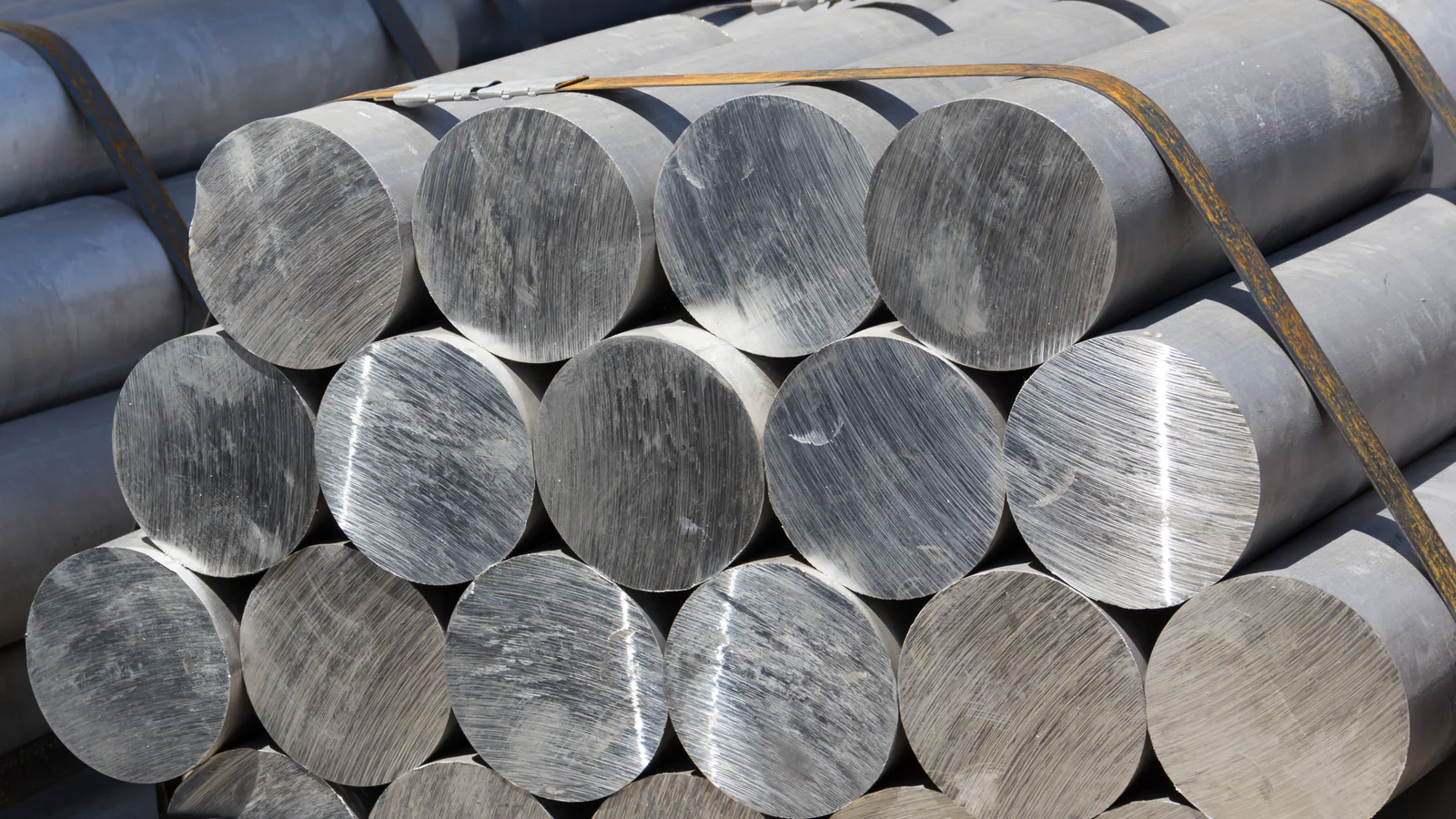
4140 and 8620 are both alloy steels, but they are usually considered for different property routes. 4140 is commonly evaluated when the component needs strength and hardness developed through more of the section. 8620 is commonly evaluated when carburizing will create a hard, wear-resistant case over a lower-carbon core.
That distinction is more useful than asking which grade is “stronger.” The design must define where hardness is needed, what the core must do, and how the finished component will be heat treated and verified.
Buyer takeaway: Do not treat 4140 and 8620 as substitutes. Select the grade together with the case-depth, surface-hardness, core-property, section-size, distortion, machining, and inspection requirements.
4140 vs. 8620 at a glance
| Decision | 4140 round bar | 8620 round bar |
|---|---|---|
| Alloy family | Chromium-molybdenum | Nickel-chromium-molybdenum |
| Carbon route | Medium-carbon alloy | Lower-carbon alloy intended for case-hardening routes |
| Common heat-treatment question | Can the required section reach the specified quenched-and-tempered properties? | Can carburizing and hardening produce the specified case while preserving the required core? |
| Working surface | May be through hardened or locally surface hardened under a controlled process | Commonly developed through a carburized case |
| Core planning | Strength and toughness depend on section and Q&T condition | Core response is designed separately from the high-carbon case |
| Purchasing risk | Ordering “4140 prehard” without a property basis | Ordering “8620 for gears” without case and core requirements |
The chemistry points toward different processing routes
SAE J404 identifies both grades as SAE alloy-steel chemistries. 4140 has enough carbon to develop substantial hardness through quenching and tempering under the right section and process. 8620 uses a lower-carbon base chemistry with nickel, chromium, and molybdenum; it is widely evaluated for carburized components.
The grade designation does not guarantee a finished result. Case depth, surface hardness, core hardness, toughness, distortion, retained austenite, grinding allowance, and inspection are product and process requirements—not automatic properties of every 8620 bar.
Through hardening versus case hardening
For 4140, the engineering question often centers on the required response across the heat-treatment section. Hardenability, diameter, quench severity, tempering, and test location all influence the result. ASTM A255 defines standardized methods for evaluating steel hardenability, but a Jominy result is not the same thing as a finished-part hardness profile.
For 8620, the manufacturing plan commonly adds carbon at the component surface through carburizing, then hardens that enriched layer. The desired outcome is not simply “hard steel”; it is a controlled case and core package.
Specify:
- effective and/or total case-depth definition;
- surface-hardness range and test method;
- core-hardness or mechanical-property requirement;
- case-depth measurement location;
- grinding or stock-removal allowance after heat treatment;
- distortion and straightness limits;
- microstructure or other inspection when required.
Which grade is used for gears, shafts, and pins?
Component names are not material specifications. 8620 is frequently considered for gears and other wear-loaded parts that benefit from a carburized case and tough core. 4140 is frequently considered for shafts, pins, and machinery parts needing a controlled through-section property level. Either statement can be wrong for a specific geometry, load, failure mode, or manufacturing route.
The design authority should evaluate tooth contact stress, bending fatigue, bearing pressure, impact, lubrication, diameter, section transitions, residual stress, and inspection requirements before selecting the material.
Machining and heat-treatment sequence
8620 components are commonly rough- or finish-machined before carburizing, followed by any required grinding after heat treatment. The purchasing plan should allow for case-depth loss during finishing and distortion during the thermal cycle.
4140 may be machined in an annealed, normalized, or quenched-and-tempered condition depending on the part and specification. If rough machining precedes final heat treatment, allow for movement, scale, decarburization, and cleanup. If the bar arrives heat treated, connect the required properties to the ordered section.
Compare complete bar requirements
ASTM A322-24 covers hot-wrought standard alloy-steel bars and permits supplementary requirements when specified. The product standard, surface route, tolerances, testing, and reports remain separate from the SAE grade name.
For a production RFQ, state:
- Exact grade and governing specification.
- Diameter, length, quantity, and product form.
- Supplied condition and heat-treatment responsibility.
- Finished case, core, or through-section property requirements.
- Straightness, tolerance, surface, decarburization, and machining allowance.
- Hardenability, cleanliness, grain-size, UT, or other supplemental controls.
- MTR, traceability, marking, required date, releases, and ship-to location.
Review the 4140 and 8620 grade pages, then submit the controlled production requirement through Request Pricing.
Source Record
Primary and industry sources reviewed for this article:
- SAE J404_200901: Chemical Compositions of SAE Alloy Steels SAE International · Accessed August 13, 2026
- ASTM A322-24: Steel Bars, Alloy, Standard Grades ASTM International · Accessed August 13, 2026
- ASTM A255-20: Determining Hardenability of Steel ASTM International · Accessed August 13, 2026
Carbon & alloy round bar
Quote the Exact Material Requirement
Send the grade or specification, diameter and length, supply condition, quantity, testing, required date, and ship-to location for review.
Request a Quote