Turned, Polished, and Ground Round Bar: What Each Process Controls
Turned, polished, and ground are processing terms—not interchangeable quality claims. Buyers should connect each route to the required diameter, surface, straightness, and cleanup result.
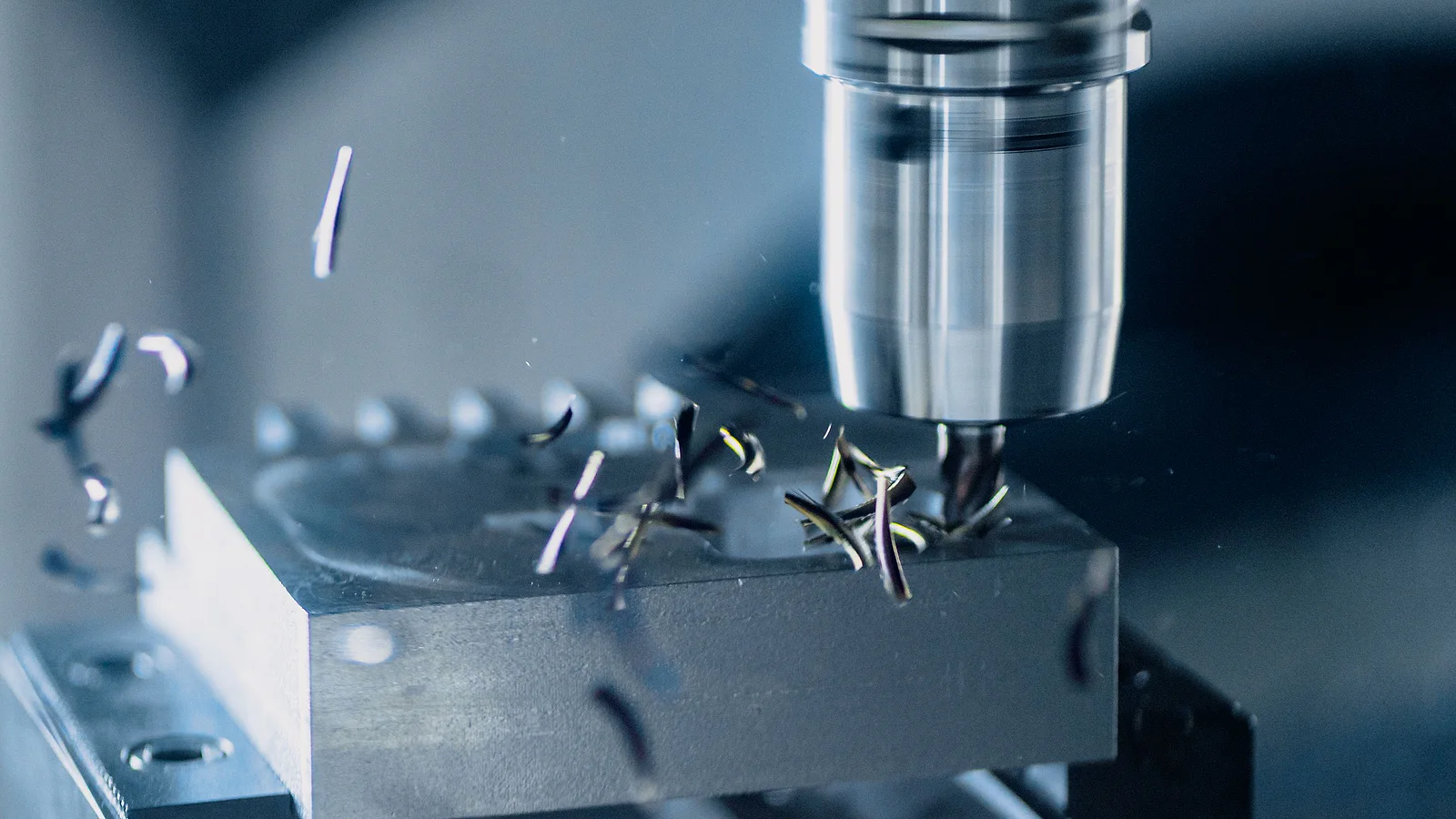
Turned and polished (T&P), turned, ground and polished (TGP), peeled, precision ground, and cold drawn describe different processing routes. They should not be used as interchangeable shorthand for “better bar.” The useful route is the one that controls the starting surface and dimensions the downstream operation actually needs.
Buyer takeaway: Name the process, then state the required diameter, tolerance, ovality, straightness, surface roughness or defect limit, minimum cleanup size, condition, and inspection. A process name alone is not an acceptance specification.
Turned or peeled round bar
Bar turning removes the outer layer of hot-rolled bar with cutting tools. “Peeled” is commonly used for a related continuous surface-removal route.
Turning can:
- remove mill scale and the original as-rolled surface;
- establish a more controlled starting diameter;
- reduce the stock a customer’s rough-turning operation must remove;
- prepare the bar for additional grinding or polishing;
- expose a new surface for inspection.
It does not prove a particular steel grade, heat-treatment condition, internal quality, or surface-defect limit unless those requirements are separately specified and verified.
Turned and polished round bar
After turning removes the outer layer, polishing improves the surface produced by the turning operation. Nucor describes T&P as hot-rolled bar processed through a turning head and then polished. Eaton Steel discusses T&P for production applications that need dimensional, straightness, surface, and decarburization control.
The buyer should still ask:
- What diameter and tolerance will be supplied?
- What straightness applies over what length?
- Is a roughness or visual surface requirement controlled?
- How much surface is removed?
- Is decarburization removal required and verified?
- Does polishing change only appearance, or is a measurable finish invoked?
Turned, ground and polished round bar
TGP adds grinding after turning and before final polishing. Grinding is used when the required dimensional and surface route is tighter than turning alone can provide.
TGP is often evaluated for shafting, cylinders, guides, rolls, pins, and other parts where starting diameter, straightness, and surface reduce downstream work. That does not make every TGP bar ready for every bearing, seal, plating, or fatigue surface. The component drawing still controls finish, geometry, material, and properties.
Cold drawn is a different route
Cold drawing pulls bar through a die, reducing and shaping it without hot working. It can improve dimensions, surface, straightness, mechanical characteristics, and machinability, depending on the grade, reduction, heat treatment, and ordered specification.
Turning removes material by cutting. Drawing deforms the bar. Those different mechanisms can produce different residual stress, properties, surface, and size routes. A purchaser should not substitute one for the other based only on nominal diameter.
ASTM A108-24 covers cold-finished carbon and alloy steel bars produced through multiple finishing routes. Use the licensed specification and accepted order to determine which requirements apply to the offered product.
How processing can affect total part cost
Processed bar usually carries added conversion cost. It may still lower finished-part cost when it reduces:
- rough-turning time;
- scale handling and chip volume;
- centerless processing passes;
- straightening or setup;
- failure to clean up;
- inspection or sorting at the machine;
- remnant and yield loss.
The value depends on annual volume, finished geometry, machine route, cutting conditions, and what surface is removed later. If the part is forged or completely rough-machined, buying a highly finished starting surface may add cost without protecting the finished part.
What to specify on the RFQ
For turned, polished, or ground round bar, state:
- Grade and governing material/product specification.
- Exact finishing route and sequence.
- Thermal condition before and after finishing.
- Nominal diameter, tolerance, and ovality.
- Straightness basis and full-bar length.
- Surface roughness, defect limit, or inspection requirement.
- Decarburization and minimum cleanup requirement where applicable.
- End condition, chamfer, and length tolerance.
- Required mechanical, surface, or internal testing.
- MTR, heat/lot traceability, marking, quantity, and delivery.
The round bar tolerance guide explains why diameter, ovality, straightness, and cleanup must be reviewed together.
Choose the least processing that reliably protects the part
Hot rolled, cold drawn, turned, T&P, and TGP each solve different production problems. Start with the finished component and work backward. If turning alone provides the necessary clean surface and stock, grinding may be unnecessary. If the machine requires closer diameter and straightness control, an additional route may justify its cost.
Quote the measurable outcome along with the process name. That lets the supplier evaluate the right bar and gives receiving inspection something concrete to verify.
Source Record
Primary and industry sources reviewed for this article:
- Cold-Finished Steel Bar Products and FAQs Nucor · Accessed August 11, 2026
- Turned and Polished Steel Bars Eaton Steel Bar Company · Accessed August 11, 2026
- Cold Drawn Steel Bars Eaton Steel Bar Company · Accessed August 11, 2026
- ASTM A108-24: Steel Bar, Carbon and Alloy, Cold-Finished ASTM International · Accessed August 11, 2026
Carbon & alloy round bar
Quote the Exact Material Requirement
Send the grade or specification, diameter and length, supply condition, quantity, testing, required date, and ship-to location for review.
Request Pricing