What Forging Operations Need From a Steel Bar Supplier
Forging programs need predictable bar through cutting, heating, forming, heat treatment, and inspection. Grade and diameter alone do not control that production route.
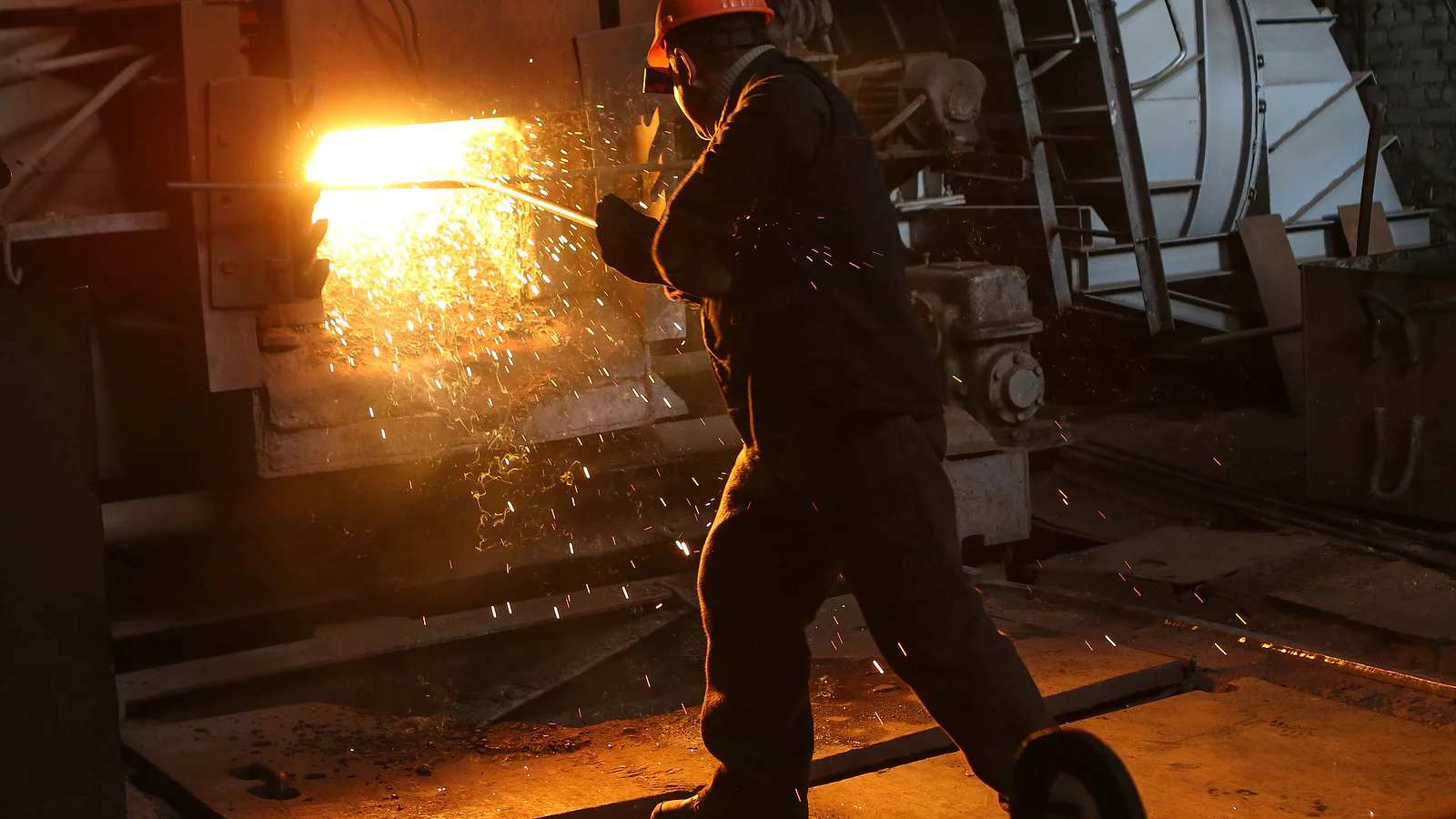
For a forging operation, round bar is not simply raw weight. Its chemistry, section, surface, internal condition, identification, and delivery consistency affect billet cutting, heating, die fill, heat treatment, machining, and final inspection.
Buyer takeaway: A forging-bar RFQ should control the input variables that protect billet yield and finished-part acceptance: material identity, diameter, condition, surface/internal quality, heat separation, certification, quantity, and release pattern.
Chemistry consistency and grade control
The grade and governing specification establish the material route. Forgers may also need controlled hardenability, residual elements, grain size, cleanliness, or customer-specific chemistry beyond a basic grade designation.
Eaton Steel’s OEM forging guidance identifies heat-to-heat chemistry consistency, diameter tolerance, and a documented material trail as baseline forging concerns. Those requirements should be translated into the actual accepted specification; “consistent chemistry” is not itself an inspection limit.
Keep grade and heat identity separated in storage, cutting, and production. Mixing visually similar bars can create an entire batch of nonconforming forgings.
Diameter control drives billet weight and yield
Forging blanks are often cut by length to reach a target volume or weight. Variation in bar diameter changes cross-sectional area, so even a small dimensional change can affect billet weight, die fill, flash, trimming, and material yield across a large run.
The RFQ should state:
- nominal diameter and tolerance;
- ovality requirement where controlled;
- length or billet-weight strategy;
- cut-length and end requirements for supplied blanks;
- quantity tolerance and sampling or inspection basis;
- whether actual or theoretical weight governs commercial comparison.
If the forger cuts in-house, full-length straightness and end condition may affect saw handling. If blanks are purchased, cut tolerance, squareness, burr, identification, and container traceability may become the critical fields.
Surface condition and decarburization
Hot-rolled bar is a common forging input because the material will be reheated and formed, but the as-rolled surface is not irrelevant. Seams, laps, scale, surface removal, and decarburization requirements may affect how a surface behaves during forging or what remains after machining.
ASTM A322-24 covers hot-wrought standard alloy bars and notes that applications may specify superior surface quality or additional metallurgical, heat-treatment, or finish requirements. State those requirements when the component needs them.
Turned or peeled starting stock may be evaluated when removing the outer surface produces enough downstream value to justify the additional processing. Do not assume that a bright surface proves a particular defect limit.
Internal quality and inspection
Critical forging programs may invoke ultrasonic testing, cleanliness, macrostructure, grain size, hardenability, or other internal-quality requirements. The application name does not choose the acceptance criteria.
For every requested inspection, define:
- controlling method and edition;
- product stage and surface condition;
- coverage and sampling extent;
- calibration or reference basis;
- acceptance criteria;
- report and traceability;
- responsibility for nonconforming indications.
The ultrasonic testing guide explains the fields required for a reviewable UT request.
Heat treatment begins with the ordered section
The forge and post-forge heat-treatment route should be considered when selecting grade and starting bar. Hardenability, section size, forge reduction, cooling, normalization, quench and tempering, and final properties are connected.
Do not approve a bar substitution because two grades appear close in a chemistry chart. The forging drawing owner must evaluate the complete material and heat-treatment route.
Documentation and traceability
A forging program may need material identity to survive:
- Full-length bar receipt.
- Storage by grade and heat.
- Billet cutting.
- Heating and forging.
- Heat treatment.
- Shot blast, machining, or inspection.
- Finished-lot release.
The order should define the required MTR, actual results, heat/lot records, piece or container marking, traveler, and linkage to the finished batch. The MTR guide covers the difference between receiving a document and maintaining traceable identity.
Full-length bar versus supplied blanks
Compare the routes on total cost:
- bar utilization and remnant;
- saw or shear capacity;
- labor and machine time;
- cut-length or weight control;
- identification after cutting;
- handling and storage;
- freight and packaging;
- supplier and internal quality responsibility.
One route may be better for a stable high-volume program while another fits mixed diameters or variable releases. Use actual part volume and process data rather than a universal rule.
Forging-bar RFQ checklist
Include grade/specification, diameter and tolerance, product and thermal condition, surface/internal requirements, heat or lot definition, MTR and inspection package, cut or full-length route, total quantity, release quantities, permitted variation, packaging, marking, required date, and ship-to location.
That information lets a supplier price the bar that enters the forging process—not an underspecified grade name.
Source Record
Primary and industry sources reviewed for this article:
- Steel Bar Supplier for OEM Forging Operations Eaton Steel Bar Company · Accessed August 11, 2026
- ASTM A322-24: Steel Bars, Alloy, Standard Grades ASTM International · Accessed August 11, 2026
- Hot Rolled Bars Gerdau · Accessed August 11, 2026
- Product Handbook, Version 2.3 Gerdau · Accessed August 11, 2026
Carbon & alloy round bar
Quote the Exact Material Requirement
Send the grade or specification, diameter and length, supply condition, quantity, testing, required date, and ship-to location for review.
Request Pricing